KDE.news 

Conf.kde.in 2014 - Knowledge. Power. Freedom.

Monday, 10 March 2014  |  Devaja
conf.kde.in 2014 was held at DA-IICT (Dhirubhai Ambani Institute of Information and Communication Technology) in Ghandinagar, India during the weekend of 22nd to 24th February. It was a big mashup of many different cultures with speakers and delegates from Europe, the USA and different parts of India. A platform for the exchange of ideas, and spontaneous discussions about goals and thoughts regarding open source as well as technological advancements. Also how to make paper planes.

What came before

Conf.kde.in was first organized in 2011 in Bangalore; last year a KDE India Meetup took place at DA-IICT. Both of those helped bring forth an expanded conf.kde.in 2014. The growing KDE community in India welcomed new, cheerful friends. And the open source community in India welcomed a new generation of stalwarts.
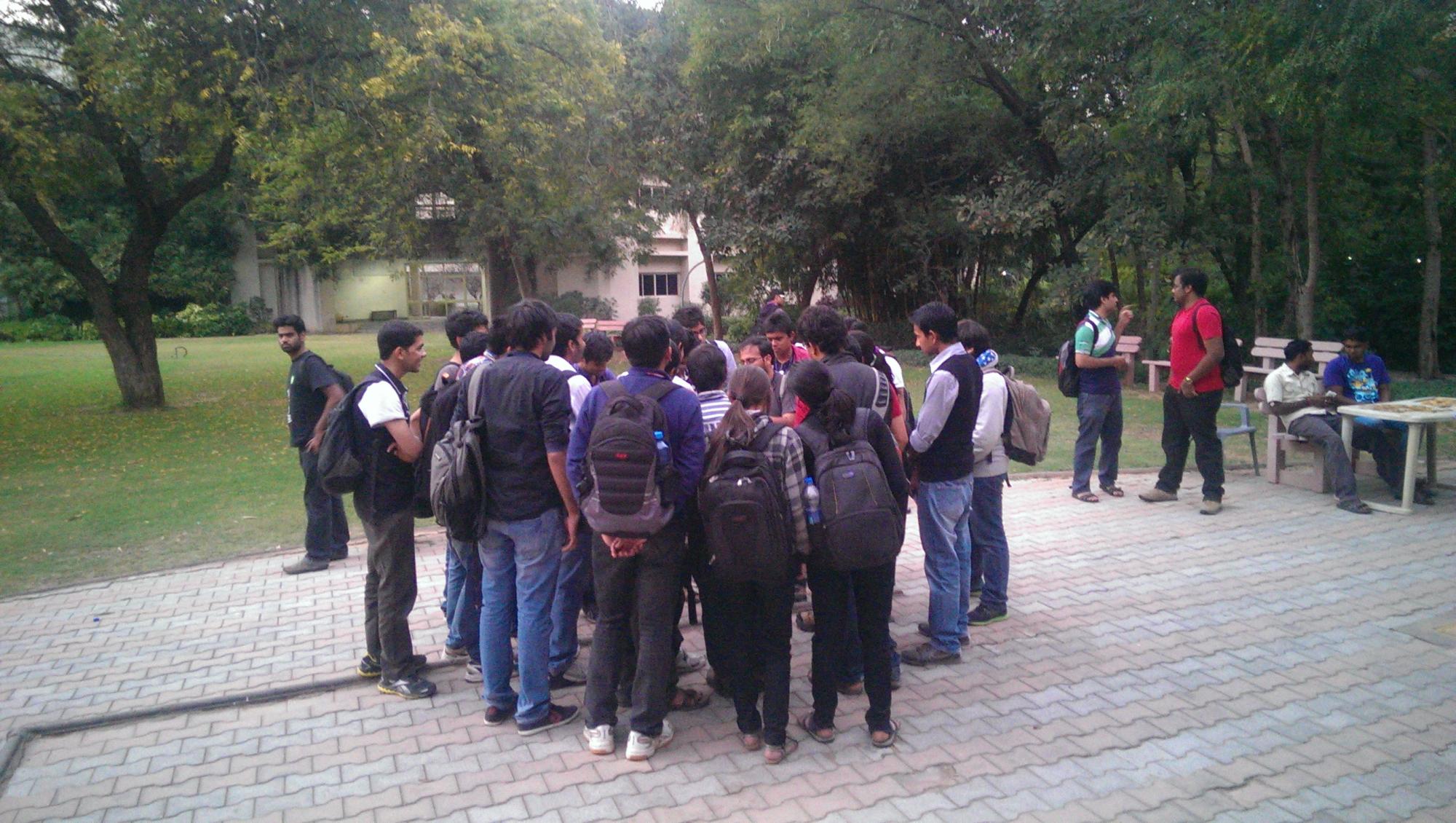
Group discussion

Where it was

Dhirubhai Ambani Institute of Information and Communication Technology (DA-IICT), Gandhinagar is an institution of higher learning located in one of the most thriving technological hubs of western India. It has been fostering young minds in the fields of computer science and information technology for many years and features an active local community. It was the perfect location for conf.kde.in to reach out to more young minds. With the conference at the institutional level, KDE and top talent made a solid connection.
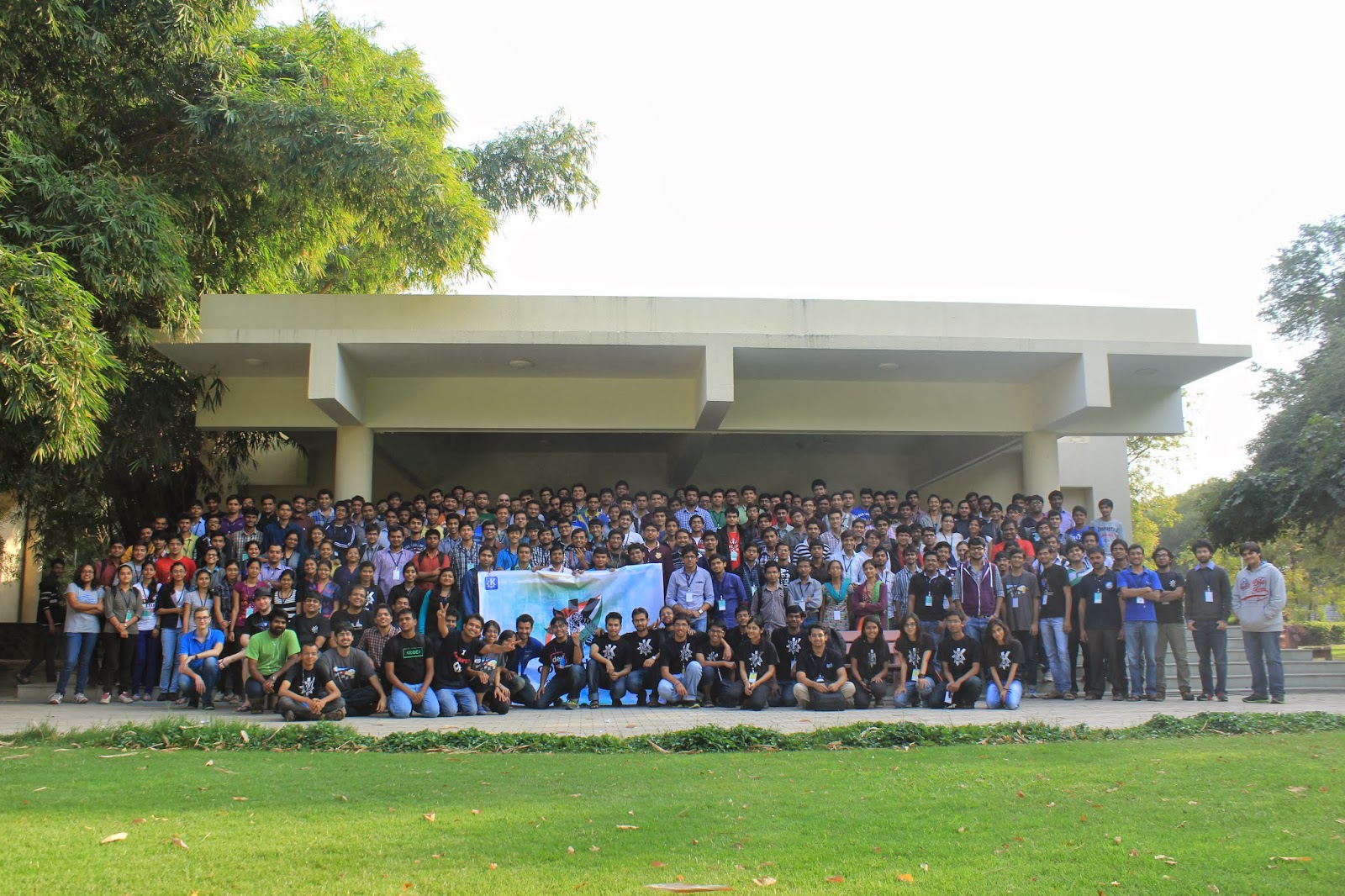
Group photo!

What it was all about

conf.kde.in 2014 was a fertile environment for getting people started with open source contribution, telling them about KDE technology and the community, introducing them to various applications, answering questions, and appealing to them to make the switch to open source. There were about 260 attendees for the event.

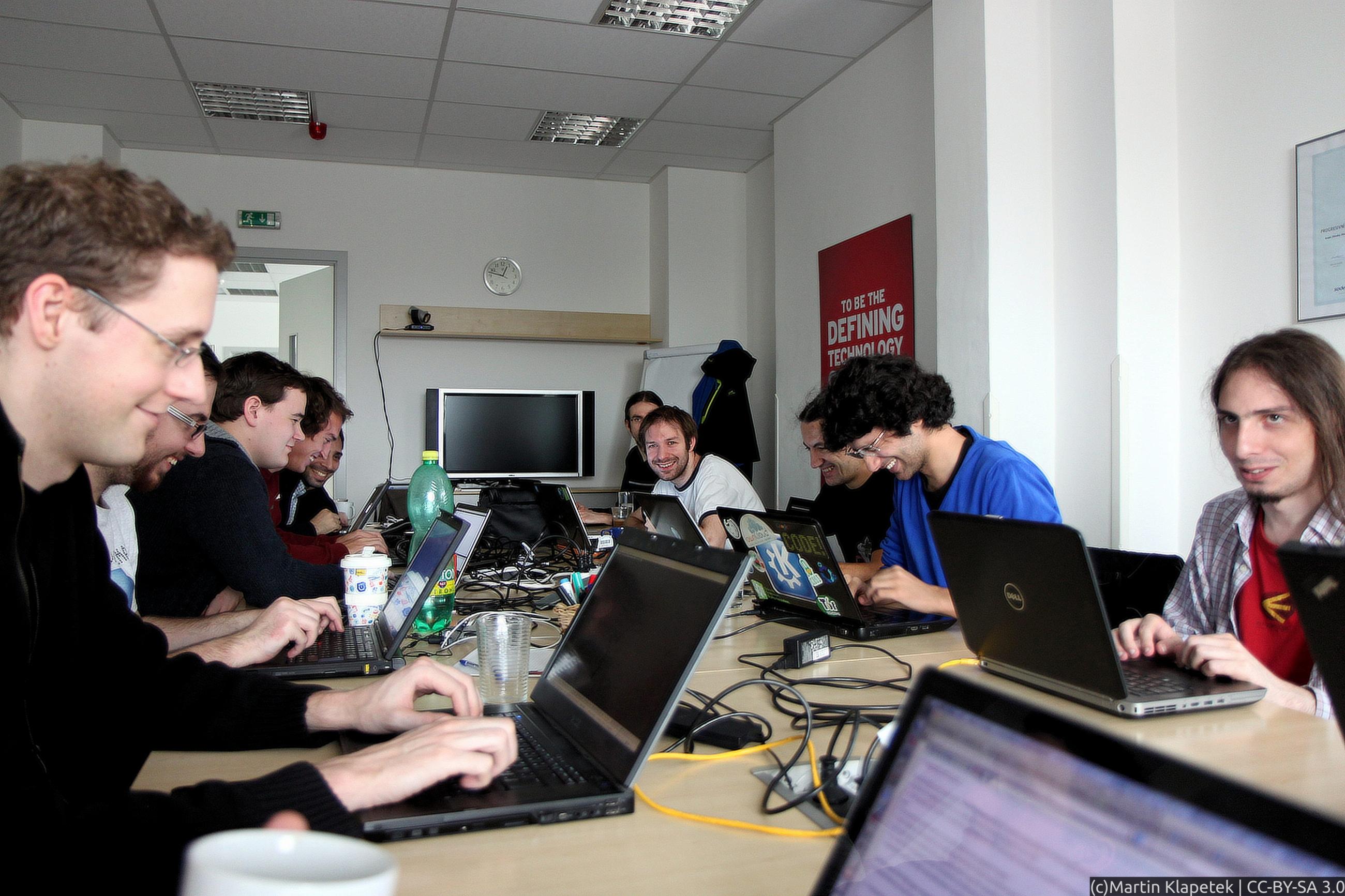
Peter in action

Starting

The first day - the 21st of February saw the start of the conference with a talk by Pradeepto Bhattacharya (a member of the KDE e.V. Board) on the essence of the KDE Community. That was followed by a Qt hands-on session, with the students experiencing the power of Qt by fiddling with it, rather than just listening and trying to imagine how to use it. Some people couldn't keep up with the pace, but by the end of the day, almost everyone had a fully functioning Linux system running on their laptop and was beginning to explore the power of Open Source. There was a general level of satisfaction with the learning opportunities, no matter the person's starting skill level. People's willingness to help others made a big difference.

Going deeper

The second day - on the 22nd of February there was a huge line up of talks - spread out over different realms of open source. The sessions by Sinny Kumari, Chandan Kumar, Samikshan Bairagya, Smit Shah, Shubham Chaudhary were specific to the projects they are working on—Plasma Media Center, Artikulate (the language trainer application), Localization Team Management tool, KDE Multimedia and others. There was also some informal bug solving. The point of these sessions was to introduce the students to various KDE projects, projects that students have worked on previously as a part of the Google Summer of Code, the Season of KDE and other mentoring programs. This helped them understand real life applications of coding techniques and skills, and the value of direction and guidance from mentors. It also showed them how to get started contributing to open source.
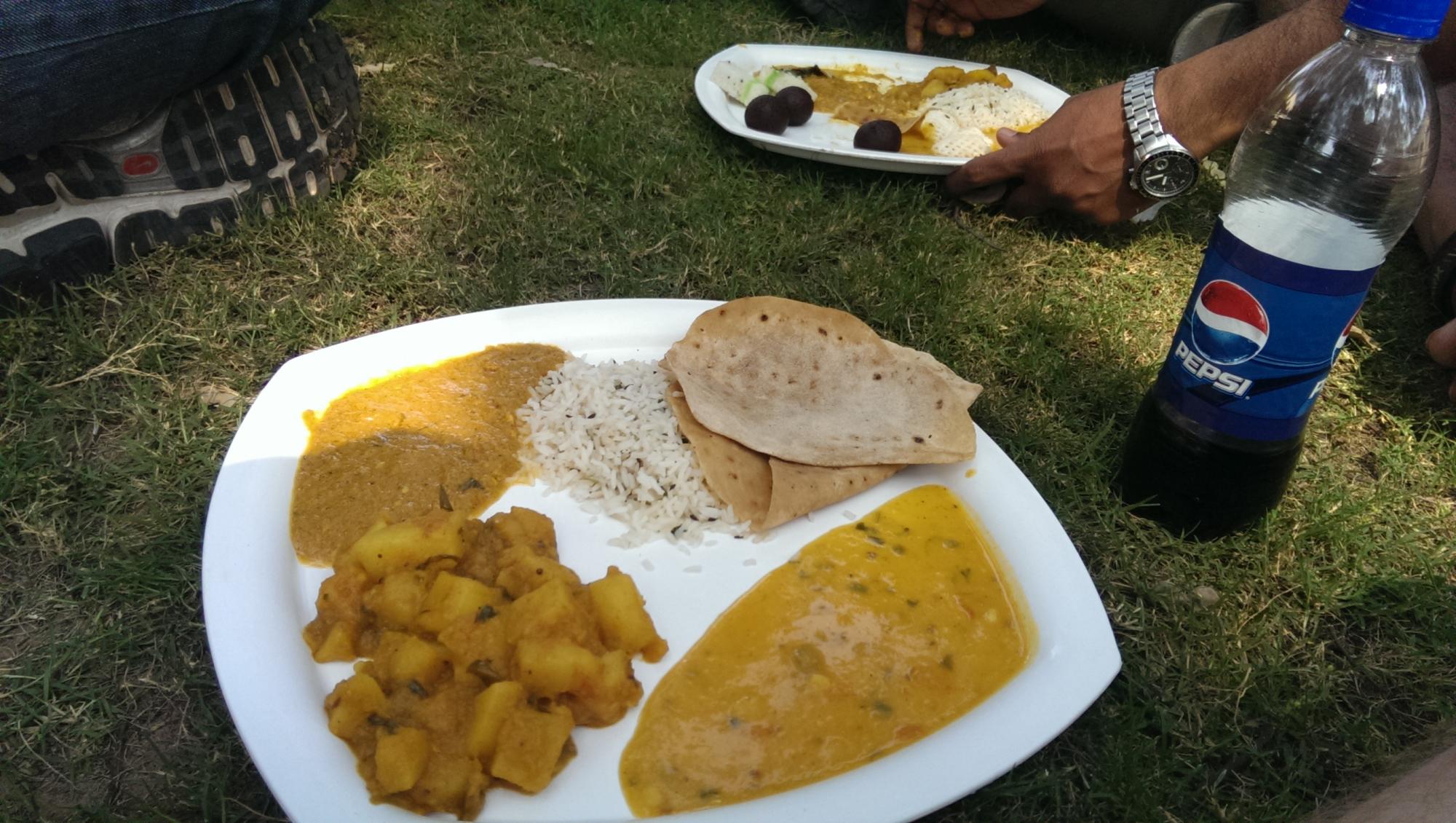
Lunch!
The talks by Nikhil Marathe, Vishesh Handa, Siteshwar Vashisht and Shantanu Tushar Jha went deeper into specifics and covered technical details of various KDE applications. They covered topics such as memory and synchronization management with RAII, the Mer Project, Baloo (dealing with meta data and search indexing). These presentations expanded the attendees' horizons and helped them explore advanced issues and technologies.

The non-technical talks—on various facets of open source and FOSS communities—were given by Kévin Ottens and Jos Poortvliet. They talked about Free and Open Source Software and how its principles operate within the KDE Community. Their presentations emphasized the practical aspects of FOSS on KDE's work and beliefs. Conference participants got a clear view into KDE as an open source organization, further broadening their horizons.

Read More

KDE Ships First Beta of Applications and Platform 4.13

Friday, 7 March 2014  |  Unormal
KDE has released the first beta of the 4.13 versions of Applications and Development Platform. With API, dependency and feature freezes in place, the focus is now on fixing bugs and further polishing. Your assistance with finding and fixing issues is requested! Read More

Calligra 2.8 Released

Thursday, 6 March 2014  |  Ingwa
The Calligra team is proud and pleased to announce the release of version 2.8 of the Calligra Suite, Calligra Active and the Calligra Office Engine. This version is the result of thousands of commits which provide new features, polishing of the user experience and bug fixes.

New in This Release

Major new features in this release are comments support in Author and Words, improved Pivot tables in Sheets, improved stability and the ability to open hyperlinks in Kexi. Flow introduces SVG based stencils and as usual there are many new features in Krita including touch screens support and a wraparound painting mode for the creation of textures and tiles.

You can find more details in the official announcement on the calligra site.

Read More

KDE Commit-Digest for 2nd February 2014

Thursday, 6 March 2014  |  Mrybczyn

In this week's KDE Commit-Digest:

  • Artikulate improves filtering, can show phrases containing native speaker recordings
  • KDE-PIM adds email filtering and contact auto-completion via Baloo
  • Skrooge offers new "responsive" template for monthly reports
  • Bug fixes in Calligra, KGet.

Read the rest of the Digest here.

Read More

KDE Frameworks 5 Alpha Two Is Out

Tuesday, 4 March 2014  |  Jospoortvliet

Frameworks 5 based apps on Wayland
Today KDE released the second alpha of Frameworks 5, part of a series of releases leading up to the final version planned for June 2014. This release includes progress since the previous alpha last month.

See the announcement on kde.org for more information and links to downloads. For information about Frameworks 5, see this earlier article on the dot.

Read More

KDE Ships March Updates to Applications, Platform and Plasma Workspaces

Tuesday, 4 March 2014  |  Unormal
Today KDE released updates for its Applications and Development Platform, the third in a series of monthly stabilization updates to the 4.12 series. This release also includes an updated Plasma Workspaces 4.11.7. Both releases contain only bugfixes and translation updates, providing a safe and pleasant update for everyone. Read More

KDE PIM November Sprint

Monday, 3 March 2014  |  Kevkrammer

KDE PIM sprint Nov 2013
In early 2013, it was established that "Osnabrück is not a place". Meaning that the KDE PIM spring sprint, which traditionally takes place in Osnabrück, could happen at a different location and still be a continuation of the tradition.

KDE PIM's autumn sprint has traditionally been in Berlin, but since the team decided that "Berlin is not a place" applies as well, this year's installment of the sprint took place in Brno in the Czech Republic.

Read More

KDE Commit-Digest for 26th January 2014

Sunday, 2 March 2014  |  Mrybczyn

In this week's KDE Commit-Digest:

  • KDevelop gets a new widget for the code assistant, which is more flexible in how it looks and behaves; adds a possibility to (de)serialize problems from/to disk; sees various optimizations
  • KDE-PIM adds support for interval refresh of Google calendars and contacts
  • In Skrooge, monthly report is now able to display reports on months, quarters, semesters and years
  • Baloo adds a plugin for Akonadi
  • libmm-qt implements OMA (Open Mobile Alliance) interface
  • Umbrello adds additional debug support
  • Ktexteditor adds a status bar.

Read the rest of the Digest here.

Read More

KDE and Google Summer of Code 2014

Tuesday, 25 February 2014  |  Sethkenlon
KDE is happy to announce that it has been accepted as a mentoring organization for Google Summer of Code 2014. This will allow students from around the world to work with mentors on KDE software projects. Successful students will receive stipends from Google. Read More

KDE's Next Generation Semantic Search

Monday, 24 February 2014  |  Jospoortvliet
For years, KDE software has included a semantic (relationship-based) searching infrastructure. KDE's Semantic Search was built around concepts previously developed in a European Union-funded research project NEPOMUK which explored the use of relationships between data to improve search results. Based on these ideas, KDE's implementation of Semantic Search made it possible to search for all pictures - taken in - a particular place. On top of that, it added text search and tagging. Read More